
Best Sunscreen Stick for Sports: What Wins

The moment sunscreen starts stinging your eyes halfway through a run, it stops feeling like protection and starts feeling like a problem. That is exactly why finding the best sunscreen stick for sports matters. If you are training, coaching, hiking, playing tennis, chasing kids at the pool, or spending hours on the sidelines, you need sun protection that stays put, feels comfortable, and takes almost no effort to reapply.
A stick format solves a lot of what people hate about sunscreen. It is faster than lotion, cleaner than creams in a gym bag, and far easier to target around the nose, cheeks, ears, and forehead where sun exposure hits hardest. But not every stick is built for real movement. Some drag across the skin, some feel waxy, and some disappear the second sweat shows up.
What makes the best sunscreen stick for sports
For active days, the formula matters more than the packaging. The best sunscreen stick for sports should give you broad-spectrum protection, solid water resistance, and enough glide that you can apply it quickly without pulling at your skin. It also needs to be portable enough that you will actually keep it with you and use it again two hours later.
Mineral sticks are especially appealing for sports because they tend to stay where you put them. Zinc oxide is the standout here. It sits on the skin as a protective barrier, making it a strong choice for people who sweat, spend time in direct sun, or have sensitive skin that does not tolerate chemical filters well. If your skin gets reactive from heat, saltwater, wind, or chlorine, a zinc-based stick can feel like a smarter and gentler option.
That said, there is a trade-off. Some mineral formulas can leave a white cast, especially on deeper skin tones, and some older-style sticks feel thick. A better sports stick balances protection with wearability. You want a formula that feels substantial but not heavy, and visible only enough that you know where you applied it.
Why stick sunscreen works so well for active routines
Sports and outdoor movement are not friendly to complicated routines. You are rarely standing in front of a mirror with clean hands and ten spare minutes. A sunscreen stick meets that reality.
It goes on fast, travels well, and makes reapplication less messy. That matters because reapplication is where most people lose the battle. They may start the day with sunscreen, but after sweating, towel drying, swimming, or simply being outside for hours, that first layer is not enough.
A stick also gives you precision. For athletes and outdoor families, the high-burn zones are predictable - nose, cheekbones, lips, ears, shoulders, and the back of the neck. A stick lets you hit those areas quickly without sunscreen running into your eyes or all over your hands. If you wear light makeup or tinted complexion products, a stick can also be easier to touch up without completely disrupting your face.
What to look for before you buy
SPF number gets the most attention, but it should not be the only thing you check. Start with broad-spectrum protection, because sports often mean long stretches of sun exposure and reflected light from water, pavement, or snow. Then look at water resistance. If you are sweating hard or getting in the water, 80-minute water resistance is usually the better fit.
The ingredient list tells you a lot too. Zinc oxide is a strong choice if your goal is reliable mineral coverage and skin comfort. If your skin is sensitive, the simpler the formula, the better. Fragrance-free options are often worth prioritizing, especially for use around the eyes.
Texture is another deciding factor. A sports stick should glide enough for quick coverage but set well enough that it does not feel greasy. Too dry, and you will avoid using enough. Too slick, and it may feel like it is sliding off during heat and movement.
You should also think about finish. Some people want an invisible look. Others prefer a lightly tinted formula that softens the look of redness or helps reduce the chalky finish that mineral sunscreens can leave behind. If you are active but still want your skin to look even and healthy, a tint can make daily use much easier to stick with.
Zinc vs. chemical filters for sports
There is no universal answer here. It depends on your skin, your activity, and your tolerance for different formulas. Chemical sunscreens often feel lighter and less visible, which some athletes prefer. But they can also sting around the eyes, irritate sensitive skin, or feel less comfortable during heavy sweating.
Zinc-based sticks usually win on skin friendliness and staying power. They are especially useful for outdoor sports where exposure is intense and reapplication may be rushed. For people who want clean, uncomplicated protection that works in real-world conditions, mineral sticks often feel like the more dependable option.
Tinted or untinted
This is more personal than people think. Untinted sticks are straightforward and easy to share among family members. They are great for kids, quick touch-ups, and body areas like the shoulders or chest.
Tinted sticks can be better for adults who want their protection to look polished, especially if they are heading from a workout to errands or from the beach to lunch. A good tint can help blend zinc more naturally into the skin while giving a little complexion support. If you already prefer streamlined beauty, that is a meaningful bonus.
How to tell if your sunscreen stick is actually sports-ready
The best test is not the label alone. It is how the product behaves when your day gets real.
If it melts too easily in a hot bag, that is a problem. If it skips over dry skin or catches on flaky spots, that is a problem too. If it feels fine at first but starts migrating into your eyes once you sweat, it is not your best sunscreen stick for sports, no matter how high the SPF looks on the package.
A strong performer should apply evenly, stay comfortable through movement, and make reapplication feel easy rather than annoying. It should also hold up across different conditions. Morning runs, soccer tournaments, beach walks, skiing, and pool days all stress sunscreen differently. The more versatile the stick, the more likely it is to become part of your routine instead of another half-used product in a drawer.
Application matters more than most people think
Even a great formula underperforms if you do not apply enough. With a stick, people often swipe too lightly. For sports, generous coverage is the goal. Make multiple passes over exposed areas so the layer is even and complete.
Apply before you head outside, not after you are already sweating. Give the formula a few minutes to settle. Then reapply at least every two hours, and sooner after swimming, heavy sweating, or towel drying. Pay extra attention to the spots people miss most - ears, hairline, side of the face, back of the neck, and the tops of the feet if they are exposed.
If you are using a tinted mineral stick, blending with clean fingertips can help create a more natural finish. If you prefer no-mess application, choose a formula designed to glide and settle cleanly on its own.
Who benefits most from a sports sunscreen stick
The obvious answer is athletes, but the real group is bigger. A sports stick is ideal for anyone who spends time outdoors and does not want sunscreen to feel like a chore. That includes runners, hikers, golfers, tennis players, skiers, swimmers, beachgoers, parents at weekend games, and families who need fast protection on the move.
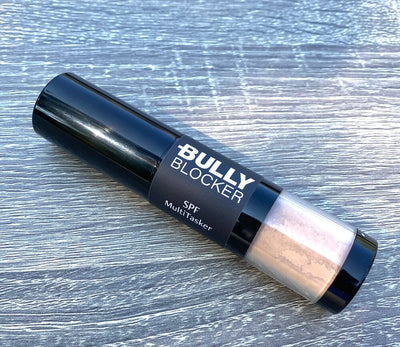
It is also a smart pick for people who care about how their skin looks while they protect it. If greasy lotion makes you skip SPF, or if you want mineral protection without a complicated routine, a well-made stick can close that gap. This is where brands like BullyBlocker fit naturally - practical zinc-based protection, portable application, and skin-friendly wear designed for real life, not just ideal conditions.
The bottom line on choosing the right one
The best sunscreen stick for sports is the one you will use generously and reapply without talking yourself out of it. That usually means broad-spectrum SPF, strong water resistance, zinc-based protection if sensitivity is a concern, and a texture that feels good on moving skin.
Do not overfocus on one feature and ignore the rest. A formula can be clean but hard to wear. It can be invisible but irritating. It can be high SPF but so unpleasant that you never reapply. The right pick is the one that protects well, feels comfortable, and fits the pace of your day.
Healthy skin does not come from perfection. It comes from products that make protection easier to keep up with, even when your day is hot, fast, sweaty, and fully outside.